

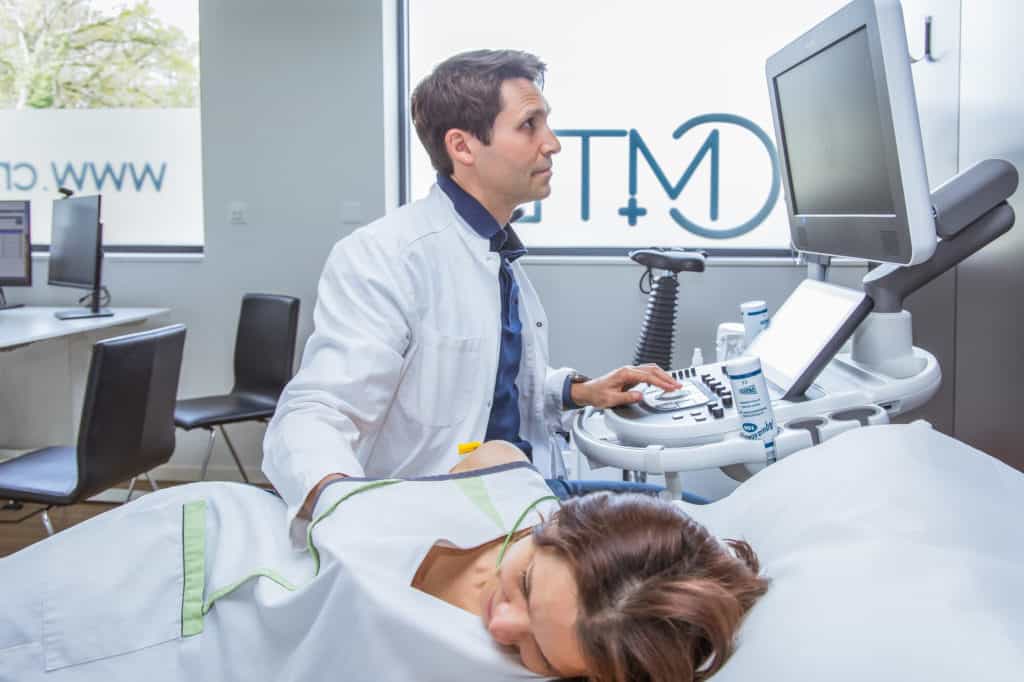
A general cardiology consultation allows for the evaluation of your overall heart health, whether in the presence of symptoms or as part of a follow-up. It aims to establish an accurate diagnosis and implement appropriate management from the first consultation.
In-depth analysis of chest pain, palpitations, shortness of breath, or fatigue to identify their origin and promptly guide necessary examinations.
Detailed interview and clinical examination, with the possibility of additional tests, to efficiently advance your care.
Adjustment of treatments based on your health status and examinations to ensure long-term and secure care.
A cardiovascular assessment evaluates your cardiac risk, even in the absence of symptoms. It is part of a preventive approach to detect potential anomalies early and implement appropriate measures.
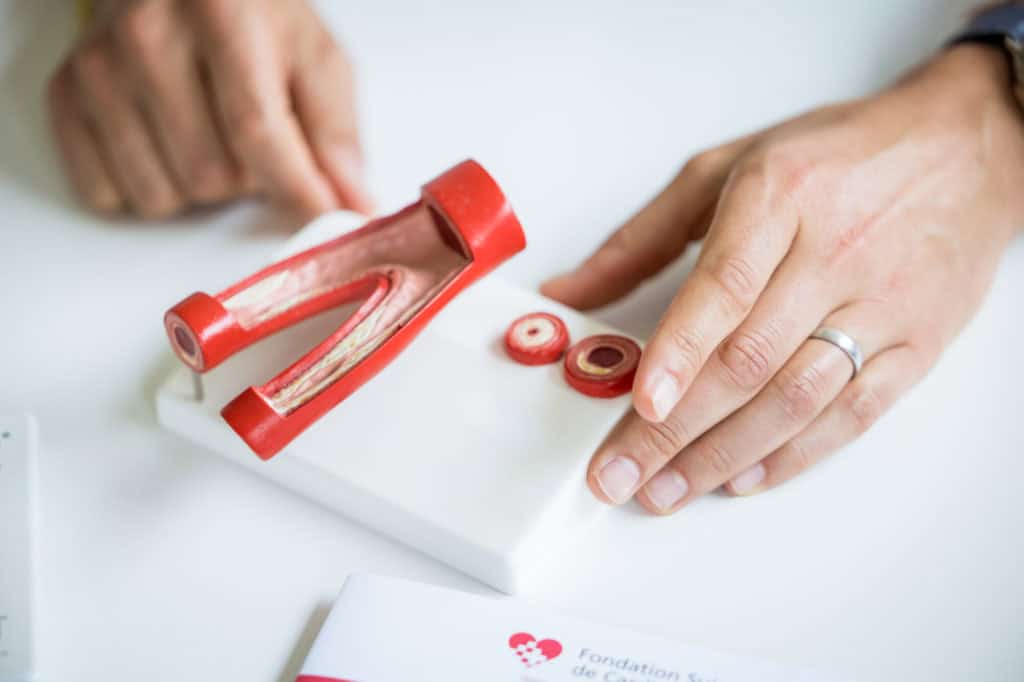
Analysis of your lifestyle, medical history, and parameters to identify potential risks before the onset of symptoms.
Performance of examinations tailored to your profile, such as ECG, echocardiography, or stress test.
Provision of individualized recommendations and, if necessary, treatment to sustainably reduce the risk of cardiovascular diseases.
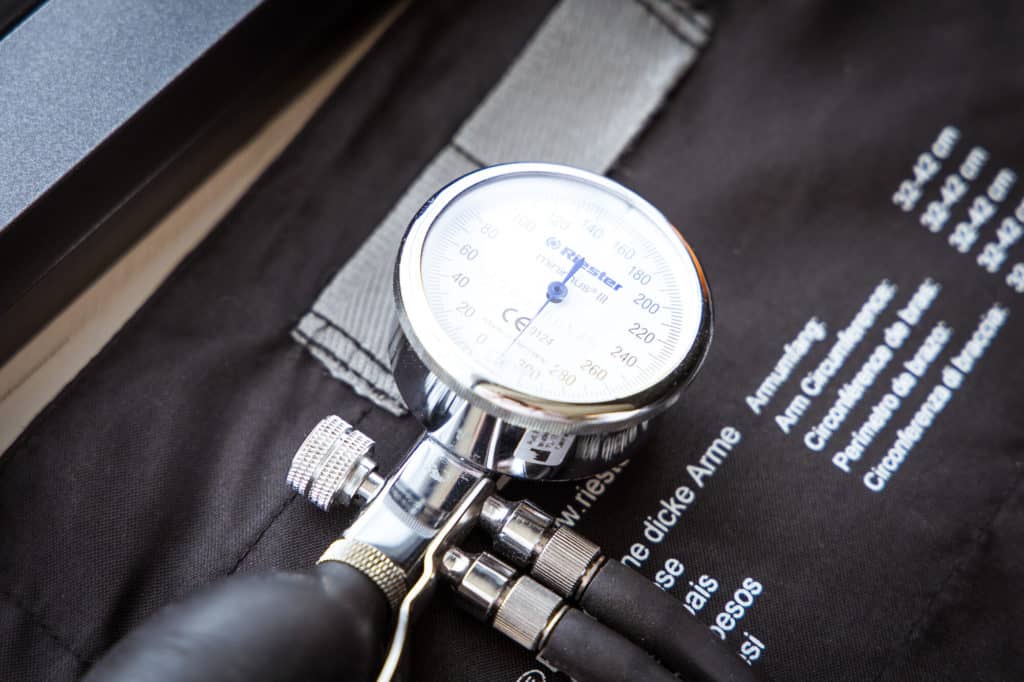
The management of high blood pressure aims to confirm the diagnosis, understand its causes, and adapt treatment. Regular follow-up effectively limits the risk of cardiovascular complications.
Analysis of blood pressure measurements and performance of additional examinations (ambulatory measurements, biological assessment) to establish a reliable diagnosis.
Identification of factors that may influence blood pressure, including secondary causes and risk factors, to propose comprehensive management.
Adjustment of lifestyle and dietary measures and medication, with regular follow-up to stabilize blood pressure and prevent cardiovascular complications.
Heart rhythm disorders can manifest as palpitations, discomfort, or syncope. A specialized evaluation allows for precise identification of these anomalies and the implementation of appropriate and secure management.

Use of appropriate examinations, such as ECG, Holter (24-72h), or 7-day R-Test, to identify intermittent or persistent disorders.
Evaluation of clinical manifestations and context to understand their origin and assess the associated risk.
Implementation of adapted management, including medication or specialized referral if necessary, to effectively control heart rhythm.

Follow-up of implantable cardiac devices is essential to ensure their proper functioning and your safety. It relies on regular in-consultation checks and, when indicated, on remote monitoring systems allowing early detection of anomalies.
Interrogation of the pacemaker or defibrillator to verify its function, battery status, and absence of abnormal events.
Precise adjustment of parameters according to your clinical evolution, activity, and symptoms.
Collaboration with implantation centers and rhythmology specialists for secure care.
Heart failure requires specialized management aimed at improving symptoms and prognosis. Follow-up relies on progressive treatment optimization and, when necessary, close monitoring.

Assessment including echocardiography and additional examinations to analyze cardiac function and the mechanism of insufficiency.
Progressive adjustment of treatments according to current recommendations to improve symptoms and reduce hospitalizations.
Regular clinical monitoring and early adaptation of treatment to stabilize the disease long-term.

After a cardiovascular event (heart attack, coronary intervention, or other), specialized follow-up is essential to prevent recurrence and optimize recovery.
Clinical follow-up and targeted examinations to monitor evolution and detect potential complications early.
Adjustment of treatments and management of risk factors (cholesterol, blood pressure, lifestyle) to reduce the risk of recurrence.
Collaboration with your primary care physician and involved specialists to ensure coherent and sustainable care.
Before or during a return to sports, a cardiovascular evaluation allows for safe physical activity. It aims to detect potential anomalies and adapt recommendations to your profile.

Stress test and targeted examinations to analyze cardiac response to exercise and identify potential anomalies.
Identification of situations requiring specific precautions, especially in the presence of risk factors.
Recommendations adapted to your physical condition and objectives for beneficial and sustainable activity.